Technology has become an integral part of the modern workplace. With the rise of cloud-based productivity solutions, such as Microsoft 365, teams of all sizes can work together seamlessly and efficiently. However, while cloud-based solutions offer many advantages, they also come with potential security risks. One such risk is phishing attacks, which have become particularly prevalent in the last few years.
Phishing attacks can be used to gain access to confidential information or to install malware on your system. In order to protect Microsoft 365 users from phishing attacks, it is important to understand how these attacks work and to take the appropriate steps to protect yourself and your team. If you're seeking to safeguard your business against phishing attacks on Office 365, you can contact phishprotection.com for reliable protection.
What is phishing
Cyber security offense that involves using email or text or telephone to bypass user identification and steal funds is known as a portion contextual phishing. It uses trickery to deceive recipients into clicking on a link or entering login information, to access devices and steal money.
Email phishing scams are among the most widely used, effective, and widespread scams in the world today. Here's how they work:
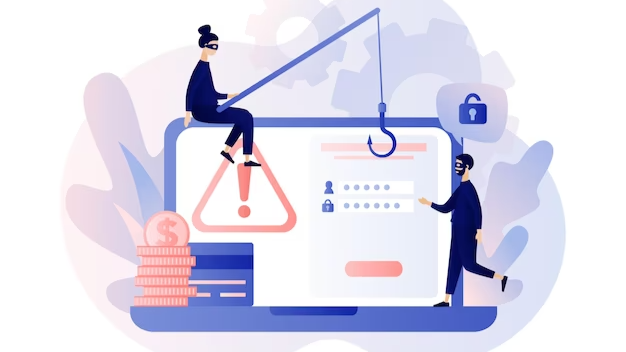
- A hacker first sends a hacker email to a potential future victim.
- The victim of the phishing attempt opens the email and clicks the hyperlink.
- The victim is redirected to a phishing site, where they’re tricked to provide their personal or professional info.
- The thief steals data and sells it on the dark web or even utilizes the information for criminal purposes.
Common types of phish
Email phishing is also known as phishing. Unfortunately, many other types have evolved since then.
- Clone phishing: The clone emailer is based on joins composed towards a business by an adversary or clone.
- Deep fake: Artificial intelligence is used to make the action of a person seem as though it came from a previous recording.
- Pharming: Redirects internet traffic from a legitimate website to a malicious site by changing the Domain Name System (DNS) information in the web server that hosts it.
- SMS phishing (smishing): Uses phishing techniques over texting communications.
- Spear phishing: Uses customer-specific information, such as names, addresses, and Social Security numbers, that has been obtained by hacking, public availability, or data breaches.
- Voice phishing (vishing): Utilizes proprietary spoofing software to impersonate the phone numbers in use before potential victims as salespeople or corporate executives.
- Whaling: Scammers trick white-collar colleagues into clicking on any form of link or item that installs malware or steals sensitive information.
Why effective security awareness is important for online activity.
Cybercriminals are carrying out widespread phishing activities. With the rapid expansion of technology and digital technologies globally and across industries, the risks of becoming a potential target are at their highest.
How to protect Microsoft 365 users from phishing attacks

1. Use Microsoft’s built-in phishing protection
Microsoft recently transitioned to a protected-by-default safeguard for its Exchange email service. ML technology was used here to monitor incoming emails and allow suspicious types to go to the quarantine folder.
2. Apply for an advanced third-party phishing protection
Employ third-party providers to mitigate exposure to phishing and strengthen Microsoft 365 protection.
Some products aim to eradicate the potential danger induced by malicious attachments or reformatting to facilitate safe operation. Other resources create secure environments by utilizing the sender's IP address and its popularity.
3. Create phishing simulations
Employee and team responses are compared to how these simulations respond to malware, spyware, and ransomware to evaluate procedures. Even against phishing emails, the team's efficiency is measured this way as an alternative. Additionally, constantly train and test any personnel who deal with sensitive or affected information.
In a nutshell, phishing is an ever-present threat to Microsoft 365 users. However, organizations can take proactive steps to protect their environment. Implementing multi-factor authentication, training users on identifying malicious emails, and using a secure email gateway to monitor incoming messages are all effective ways to combat the threat of phishing attacks. Organizations should also make sure to regularly monitor their environment for suspicious activity, as well as update their security policies.