- Be aware that unsolicited emails or messages are not to be clicked on unless you know the sender. Exercise care when working with any unsolicited emails or messages, and refrain from clicking any links or attachments unless you know the sender.
- Check the address field of the sender's email to make sure it is legitimate. Phishing emails often contain addresses that are the same or similar as legitimate ones.
- If a report appears to contain some sort of malicious script, don't send a warning or respond to it. Contact the company or organization directly by phone or website that you recognize to be accurate.
- Provide personal information only in response to an email or message that you trust. If you suspect a website is asking for your personal info, do not approve anything that asks for it.
- Keep your devices protected by utilizing a reliable antivirus and antispyware program on all your devices. Software packages that protect against viruses and malware can be configured to detect and avert an attempt to lure the individual into visiting malicious links. This will keep your devices safe from unauthorized access.
How To Spot A Phishing Email And Stop It
Before It Gets You Into Trouble
Before It Gets You Into Trouble
Most of us have experienced the frustration of phishing emails. You know, the ones that seem to come out of nowhere and try to trick you into giving up your personal information. They can be annoying and even scary, but there are ways to stop them from ruining your day.
The greatest challenge to an internet user is phishing. It's a growing threat. If you have a busy professional life and you need your email to keep you informed and organized, you're likely to see lots of spam messages in your inbox that look like normal messages from real companies. Phishing is typically easy to spot if you're using your computer, but it's easy to overlook if you're multitasking.
It can be challenging to prevent website-borne phishing scams, particularly if you do not know how they work or what to look for.
Phishing: How Does It Work?
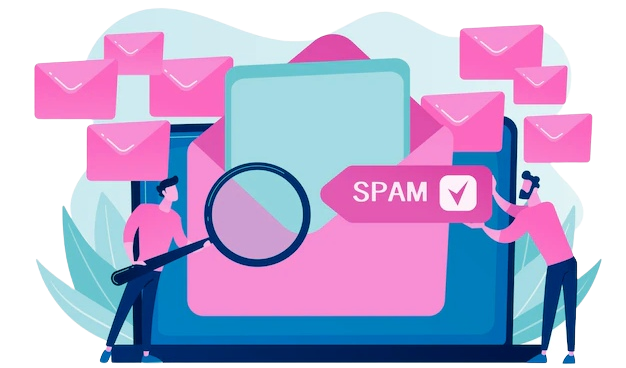
Cyberthieves send out fraudulent emails or messages in an attempt to obtain your personal information or other sensitive information. These emails can seem to be from a trustworthy source and even seem looking to transfer money. The best way to stop these fraudulent interactions is not to automatically trust every interaction.
Phishing attacks usually happen when you go on a link to click in a phishing email or message. This link will take you to a counterfeit website that looks very similar to an official and more trusted site. Once you get on amid this phishing website, you may be requested to fill out your personal information, such as your name, address, credit card information, or Social Security number.
Criminals will use this information to do everything, from stealing your money to using your details for fraudulent activities.
How To Stop Phishing Attacks And Protect Yourself
It is important that you take necessary steps to guard against phishing. Here are some ideas about how to prevent email from suspected phishing sites.
What To Do If You Fall Victim To A Phishing Email?
There are a few steps you can take if you suspect you may have fallen for a phishing scheme.
Change any passwords you may have given out before thieves can have access to your online accounts. Afterwards, contact your bank or credit card company to let them know about any suspicious transactions. Finally, report to the organization to which the email was claimed to be from. These actions should help protect against phishing attacks from doing serious damage.
In the end, Phishing emails are increasing in frequency, and companies that send these emails should be held accountable. Phishing emails are stealing time, energy and money from thousands of innocent people every day.