In the current digital realm, companies encounter a constantly changing array of threats, especially from phishing schemes. With cybercriminals growing increasingly advanced in their tactics, merging threat intelligence with anti-phishing measures has become essential for strengthening cybersecurity defenses. This article delves into the importance of this integration and offers insights on how organizations can bolster their protection against phishing risks.
Understanding Threat Intelligence
What is Threat Intelligence?
Threat intelligence encompasses the gathering and evaluation of data regarding possible or ongoing attacks that could jeopardize an organization. This process includes sourcing information from multiple avenues, such as internal security breaches, external threat intelligence feeds, and industry analyses, to gain insights into the tactics, techniques, and procedures (TTPs) employed by cybercriminals. By leveraging this intelligence, organizations can make educated choices and take proactive measures to safeguard themselves against new threats.
The Role of Threat Intelligence in Cybersecurity
Incorporating threat intelligence into a company's cybersecurity approach enhances its ability to detect and respond to threats effectively. Utilizing real-time information enables organizations to:
- Recognize Weaknesses: Assess potential risks within their systems and prioritize protective strategies.
- Detect Threat Trends: Examine patterns in attack methods and behaviors to enable faster reactions to emerging phishing techniques.
- Improve Incident Management: By utilizing actionable insights, security teams can develop efficient strategies for addressing current incidents. Find more information here.
The Challenge of Phishing Attacks
The Rising Threat of Phishing
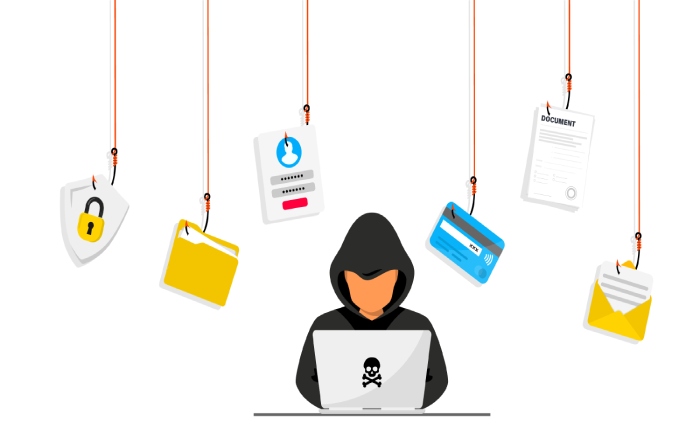
Phishing continues to be a widespread and harmful form of cyber threat. Malicious actors employ misleading emails, messages, or websites to deceive individuals into revealing confidential information like passwords or financial data. The Anti-Phishing Working Group reports a notable rise in phishing incidents over the past few years, with millions of attempts documented each month.
Why Traditional Anti-Phishing Solutions Fall Short
Conventional anti-phishing measures, including spam filters and email verification protocols (such as DMARC, SPF, and DKIM), have shown some effectiveness; however, they frequently fall short in their ability to respond to more sophisticated phishing tactics. These approaches may overlook complex attacks that evade typical filtering systems or exploit social engineering strategies to deceive users.
The Synergy of Threat Intelligence and Anti-Phishing Protection
Enhancing Detection Capabilities
Incorporating threat intelligence into anti-phishing measures allows organizations to greatly improve their ability to detect threats. This intelligence offers valuable information about current phishing methods and indicators of compromise (IoCs). With this understanding, anti-phishing tools can evolve and identify emerging threats with greater efficiency. For example, threat intelligence feeds can pinpoint recognized malicious URLs and IP addresses, enabling security systems to proactively block these threats before they cause harm.
Proactive Defense Mechanisms
Integrating threat intelligence with anti-phishing measures enables organizations to adopt a more proactive approach to combating phishing threats. By utilizing real-time threat information, organizations can:
- Revise Security Protocols: Consistently review and improve security measures in light of new information to combat changing phishing strategies.
- Provide Employee Education: Leverage insights from threat intelligence to educate staff about current phishing techniques, increasing their awareness and reducing the chances of them being targeted.
- Deploy Sophisticated Detection Technologies: Apply machine learning and AI to examine user behavior patterns and spot irregularities that could signal phishing threats.
Building a Resilient Cybersecurity Framework
Integrating Threat Intelligence into Security Operations
For organizations to successfully integrate threat intelligence with anti-phishing measures, they should take into account the following actions:
- Utilize Threat Intelligence Tools: Select trusted threat intelligence services that deliver up-to-date information pertinent to your sector and unique vulnerabilities.
- Encourage Team Collaboration: Promote teamwork among IT, security, and compliance departments to create a cohesive strategy for cybersecurity and incident management.
- Consistently Enhance Protective Measures: Regularly improve anti-phishing strategies and regulations informed by findings from threat intelligence.
Continuous Monitoring and Improvement
Cybersecurity is an ongoing commitment rather than a singular task. It is essential for organizations to establish continuous monitoring systems to detect emerging threats and evaluate the strength of their existing defenses. Conducting regular audits and updates will help maintain a strong security stance in the face of ever-changing phishing tactics.